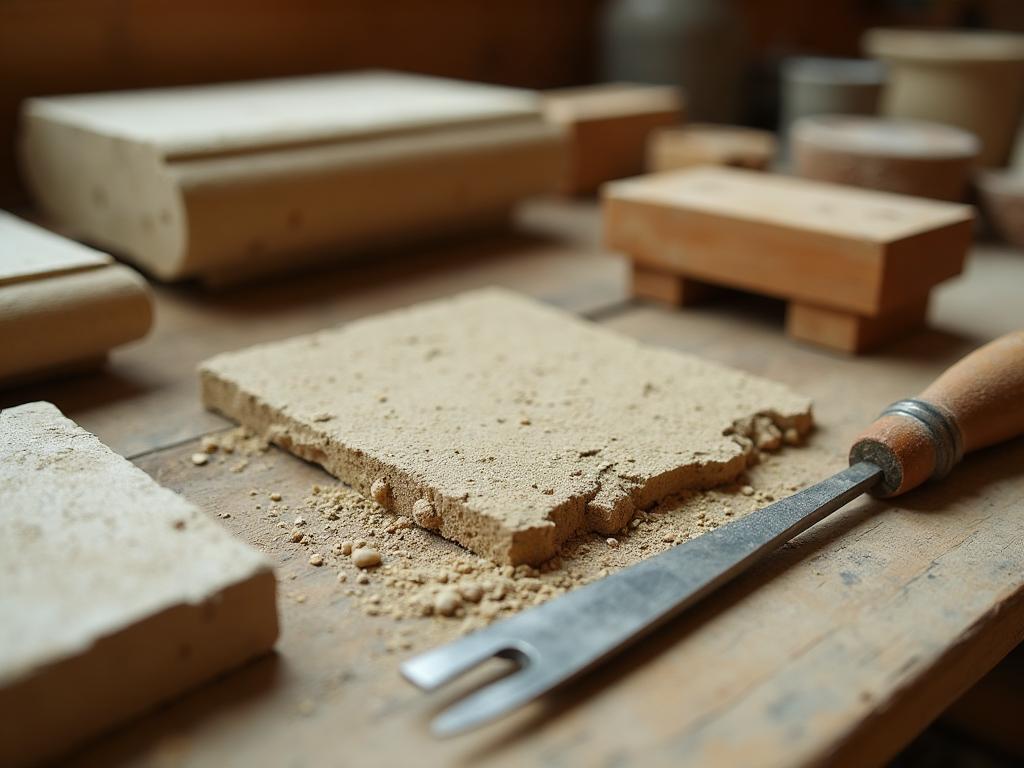
Overview
Conservation Specifications outline the precise materials, techniques, and standards required for high-quality conservation work. These documents ensure that contractors, craftspeople, and stakeholders follow a consistent and appropriate methodology throughout the project.
We provide detailed guidance on masonry repair, lime mortars, timber treatment, roofing, joinery, ironwork, render systems, and other specialist areas, ensuring durable, authentic, and reversible interventions in line with conservation best practice.
What's included
- Precise materials, techniques and standards for the works
- Masonry repair and lime mortars
- Timber treatment, roofing and joinery
- Ironwork and render systems
- Other specialist areas, in line with conservation best practice
Frequently asked questions
What is a conservation specification?
It is a technical document that sets out the precise materials, techniques and standards required for high-quality conservation work, so that contractors, craftspeople and stakeholders follow a consistent and appropriate methodology.
Which areas does a specification cover?
We provide detailed guidance on masonry repair, lime mortars, timber treatment, roofing, joinery, ironwork, render systems and other specialist areas.
Why does a specification matter?
It ensures durable, authentic and reversible interventions in line with conservation best practice.
Is a specification needed for a heritage grant?
The Built Heritage Investment Scheme and the Historic Structures Fund both require documentation prepared by a competent conservation professional. Our heritage grants guide sets out what each application needs.
Related
Applying for a heritage grant?
The Built Heritage Investment Scheme and the Historic Structures Fund both require documentation prepared by a competent conservation professional. Our guide sets out the grant amounts, closing dates and what each application needs.
Heritage Building Grants in Ireland: BHIS and HSF 2027